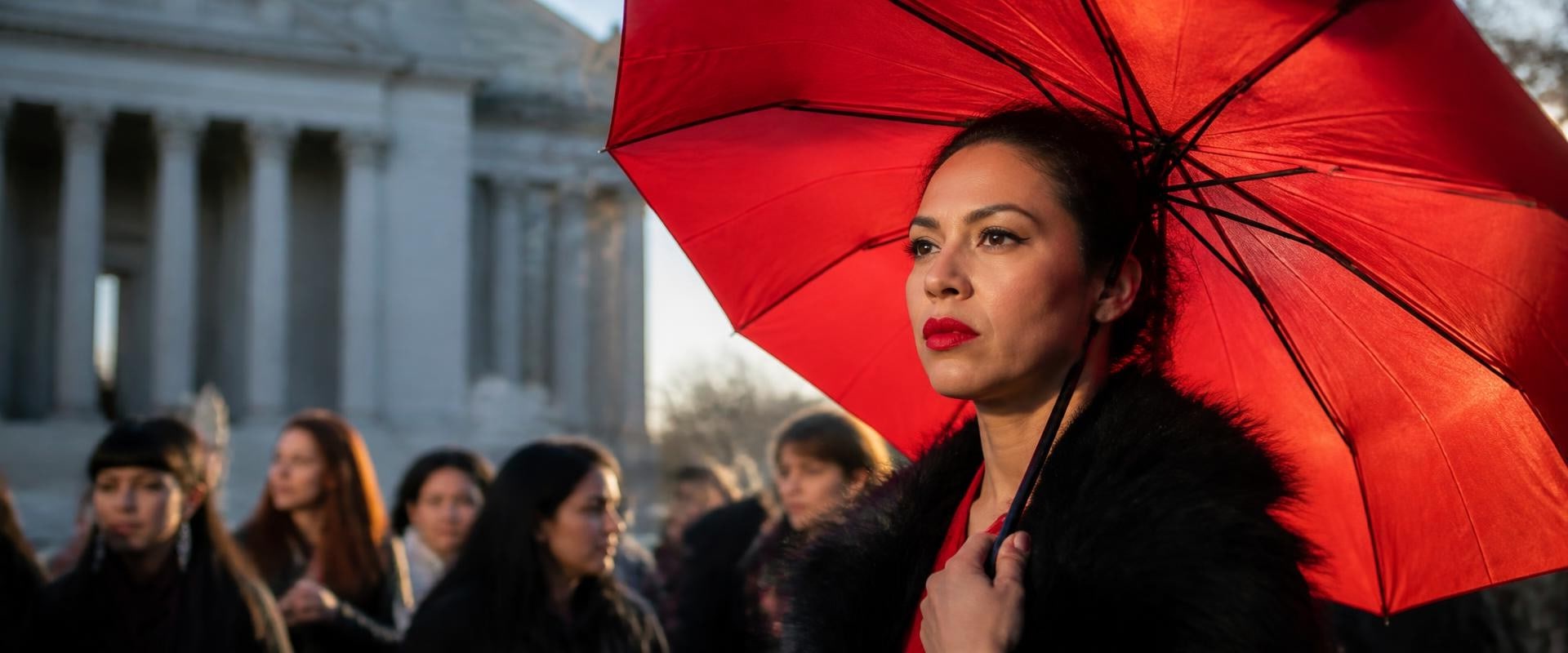
The Moratorium 2012 campaign stands as a pivotal moment in the ongoing struggle for sex worker rights advocacy, particularly during a time when the global spotlight was cast upon London for the Olympic Games. Launched with the intent to halt the arrests of sex workers, this campaign not only sought to protect a marginalized community during a high-profile event but also ignited a broader conversation about the rights and dignity of sex workers worldwide. By demanding a pause on law enforcement actions that disproportionately affected these individuals, the campaign illuminated the urgent need for a reevaluation of policies that criminalize rather than support vulnerable populations. In examining the impact of the Moratorium 2012, we delve into its legacy and how it has shaped contemporary advocacy efforts for sex workers' rights. The campaign was more than just a call to action; it represented a collective effort to challenge societal perceptions and push for legal reforms that acknowledge and protect the rights of sex workers.
As we explore this significant chapter in advocacy history, we will assess both the immediate effects of the campaign and its lasting influence on public policy and societal attitudes towards sex work. This article aims to not only recount the events surrounding the Moratorium 2012 campaign but also to analyze its implications for future advocacy initiatives. By understanding its legacy, we can better appreciate the ongoing challenges faced by sex workers and the importance of continued efforts to secure their rights in an ever-evolving socio-political landscape. The Moratorium 2012 campaign emerged from a complex historical context of sex worker rights advocacy that has evolved significantly over the decades. Prior to the campaign, sex work was often framed in terms of criminality and moral failing, rather than as a legitimate occupation deserving of rights and protections. The late 20th century saw the beginnings of a shift, as activists began to argue for the decriminalization of sex work and recognition of the rights of sex workers.
This was part of a broader movement towards human rights that included various marginalized communities fighting for recognition and justice. By the time the Moratorium 2012 campaign was launched, there was a growing consensus among advocates that sex workers should not be treated as criminals but rather as individuals who deserve dignity, safety, and support. The backdrop for the campaign was the 2012 London Olympics, an event that brought significant international attention and scrutiny to the city. Advocates called for a pause on the arrests of sex workers during this high-profile period, arguing that the police's focus on criminalizing sex work would further marginalize already vulnerable individuals. The campaign was launched, there was a growing consensus among advocates that sex workers should not be treated as criminals but rather as individuals who deserve dignity, safety, and support. The backdrop for the campaign was the 2012 London Olympics, an event that brought significant international attention and scrutiny to the city. Advocates called for a pause on the arrests of sex workers during this high-profile period, arguing that the police's focus on criminalizing sex work would further marginalize already vulnerable individuals. The Moratorium 2012 campaign sought to highlight the contradictions inherent in celebrating an international event while simultaneously ignoring the rights and realities of those involved in sex work.
The timing was crucial; as London prepared to host the world, so too did it have a responsibility to address the inequities faced by its residents. Strategies employed by the Moratorium 2012 campaign included robust community organizing, public demonstrations, and strategic media engagement. Activists mobilized grassroots support through local networks, reaching out to various stakeholders, including other social justice organizations, health advocates, and community leaders. Demonstrations were held to raise awareness and garner public support, showcasing the solidarity among sex workers and their allies. Media engagement played a pivotal role in shaping public narratives around sex work; by framing their message in human rights terms, campaigners sought to shift societal perceptions away from stigma and toward understanding. The reactions from authorities, particularly from the Mayor's office and the Metropolitan Police, were mixed.
While some officials expressed understanding of the campaign's goals, others remained committed to maintaining law and order during the Olympics at all costs. The police response included statements emphasizing their commitment to public safety while simultaneously attempting to downplay concerns raised by advocacy groups. This tension influenced public discourse on sex work significantly; it highlighted the stark divide between those who viewed policing as necessary for public order and those advocating for harm reduction and human rights. The outcomes of the Moratorium 2012 campaign were both immediate and long-term. In the short term, there was heightened visibility for issues surrounding sex worker rights, prompting discussions within both civic circles and broader society about the implications of criminalizing sex work.
Long-term effects included ongoing conversations about policing practices and their impact on marginalized populations. The campaign also inspired new forms of civic activism; many individuals who participated went on to engage in further advocacy efforts aimed at improving conditions for sex workers, including pushing for policy changes that better reflect contemporary understandings of consent and labor rights. Notable shifts in policy emerged in some regions as a response to evolving public attitudes; however, these changes were not uniform across all jurisdictions. While some local governments began to explore decriminalization or harm reduction frameworks, others maintained traditional punitive approaches. Critics of the Moratorium 2012 campaign argued that its focus on a moratorium could inadvertently perpetuate a temporary solution rather than addressing underlying systemic issues within law enforcement practices regarding sex work.
They contended that without comprehensive reform, any gains made would be superficial at best. In conclusion, examining the Impact on sex worker rights advocacy through the lens of the Moratorium 2012 campaign reveals both progress made and challenges that remain in achieving lasting change. This campaign has served as a crucial milestone in advocating for a more equitable approach to sex work, one that prioritizes human rights over criminalization.
Ongoing Conversations about Policing and Sex Work
The Moratorium 2012 campaign marked a pivotal moment in the dialogue surrounding sex work and policing, particularly in the context of major public events such as the London Olympics. By advocating for a pause on the arrest of sex workers during this time, the campaign highlighted the urgent need to reconsider existing policing strategies that disproportionately target vulnerable populations. The discussions initiated by Moratorium 2012 have continued to resonate in contemporary conversations about sex work policies, influencing not only public opinion but also the approach taken by policymakers. In recent years, advocates have drawn on the lessons learned from the Moratorium 2012 campaign to argue for more humane and rights-based policies regarding sex work.The campaign's emphasis on protecting the rights and safety of sex workers has contributed to a broader recognition of the harmful effects of criminalization. This shift has prompted discussions around decriminalization, harm reduction, and the need for comprehensive support systems for sex workers, rather than punitive measures. Furthermore, as cities around the world grapple with similar challenges, the Moratorium 2012 serves as a case study for how advocacy can effectively influence legislative change. Ongoing debates regarding policing practices continue to reflect the campaign's legacy, with many advocates pushing for reforms that prioritize safety and dignity over criminalization. The conversations around these issues are increasingly framed within a human rights context, emphasizing that all individuals, including sex workers, deserve protection and respect under the law.
Reactions from Authorities
The Moratorium 2012 campaign sparked varied responses from local government and law enforcement agencies, revealing the complexities surrounding the issue of sex work and its regulation during a high-profile event like the London Olympics.As the campaign gained momentum, it became evident that the call for a pause on sex worker arrests resonated with certain segments of the community, but elicited apprehension among authorities tasked with maintaining public order. Local government officials were faced with a challenging dilemma: balancing public safety and community interests with the advocacy for sex worker rights. In some circles, there was acknowledgment of the negative impact that aggressive policing could have on vulnerable populations, particularly during an event that attracted international attention. However, responses varied widely depending on political priorities and public sentiment. Law enforcement agencies expressed concerns about potential increases in illicit activity if a moratorium were implemented. Some police representatives argued that arrests were necessary to uphold the law and protect vulnerable individuals from exploitation.
This stance highlighted a fundamental tension between differing perspectives on how best to address issues related to sex work. Ultimately, the reactions from authorities to the Moratorium 2012 campaign illustrated the ongoing debate surrounding sex worker rights and the role of law enforcement in regulating this sector. The complexities of this issue remain relevant today as advocacy for sex worker rights continues to evolve in response to shifting societal attitudes and legislative landscapes.
Outcomes and Legacy of Moratorium 2012
The Moratorium 2012 campaign, centered around the call to pause sex worker arrests during the London Olympics, has had significant short-term and long-term impacts on sex worker rights advocacy. In the immediate aftermath of the campaign, the visibility of sex work issues increased dramatically. Activists successfully brought attention to the human rights abuses faced by sex workers, fostering an environment where these concerns could be discussed more openly.This heightened awareness led to a temporary reduction in the policing of sex workers during the Olympic period, allowing many to engage with their clients without the fear of arrest. In terms of long-term effects, Moratorium 2012 has contributed to a shift in public perception regarding sex work. The campaign's emphasis on viewing sex work through a human rights lens has influenced subsequent advocacy efforts and policy discussions. Advocacy groups have since leveraged the momentum gained from Moratorium 2012 to push for more comprehensive reforms aimed at decriminalization and better protection for sex workers. This legacy is evident in ongoing dialogues about sex worker rights, where the principles established during the campaign continue to resonate. Moreover, the campaign has inspired similar initiatives around the world, emphasizing the importance of collaborative efforts within the global movement for sex worker rights.
By documenting its history and impact, Moratorium 2012 serves as a vital resource for current and future advocates, providing valuable lessons on how civic engagement can lead to meaningful policy changes and greater recognition of sex workers' rights.
Historical Context of Sex Work Advocacy
The Moratorium 2012 campaign emerged from a complex tapestry of historical movements advocating for sex worker rights. Prior to 2012, various grassroots organizations and activists worked tirelessly to challenge the stigma surrounding sex work and to push for legal reforms that would protect the rights and safety of sex workers. The late 20th century witnessed significant milestones, including the formation of groups like the English Collective of Prostitutes in the 1980s, which fought against criminalization and advocated for decriminalization as a means to ensure better working conditions. Throughout the 1990s and early 2000s, the global landscape shifted as sex worker rights began to gain more visibility. The World Health Organization highlighted the importance of addressing sex work within public health frameworks, particularly in relation to HIV/AIDS prevention.This period saw increased collaboration between sex workers, health professionals, and human rights advocates, who recognized that criminalization exacerbated health risks and violence against sex workers. In the United Kingdom, public discourse around sex work continued to evolve, particularly during the lead-up to significant events like the London Olympics. Advocates called for more humane approaches to sex work, emphasizing that criminalization not only failed to protect vulnerable individuals but also perpetuated cycles of violence and exploitation. By positioning sex work as a legitimate form of labor rather than a moral failing, these movements set the stage for the Moratorium 2012 campaign. The Moratorium 2012 campaign specifically sought a pause on arrests during the Olympics, framing it as an opportunity to rethink how society treats sex workers. This campaign resonated deeply within a broader historical context that had been shaped by decades of advocacy, challenging societal perceptions while pushing for policy changes that acknowledged and respected the rights of sex workers.
Campaign Strategies and Community Engagement
The Moratorium 2012 campaign employed a variety of innovative strategies to engage the community and raise awareness about the plight of sex workers during the London Olympics.Central to the campaign's success was its emphasis on grassroots mobilization. Advocates reached out to local communities, holding informational meetings and workshops aimed at educating both sex workers and the general public about the negative impact of arrests and detentions on vulnerable populations. Social media played a crucial role in disseminating information and galvanizing support. The campaign utilized platforms like Twitter and Facebook to share stories, statistics, and calls to action, which allowed advocates to connect with a broader audience. Hashtags related to the campaign facilitated discussions and enabled supporters to amplify their voices, creating a sense of solidarity among those affected by the policies. Additionally, the Moratorium 2012 campaign strategically partnered with various organizations, including human rights groups and health services, to broaden its reach.
By collaborating with these entities, advocates were able to leverage existing networks and resources, further enhancing their visibility and credibility. Joint events, such as rallies and public forums, provided opportunities for direct engagement with policymakers and media representatives, ensuring that the concerns of sex workers were heard at multiple levels. Moreover, storytelling emerged as a powerful tool in the campaign. By sharing personal narratives of sex workers who had experienced negative repercussions from law enforcement actions, advocates humanized the issue and highlighted the urgent need for policy change. This approach not only raised awareness but also fostered empathy among those who might not have previously considered the complexities surrounding sex work. Through these multifaceted strategies, the Moratorium 2012 campaign effectively mobilized community support and raised critical awareness about sex worker rights, leaving a lasting impact on public discourse and advocacy efforts. In conclusion, the Moratorium 2012 campaign stands as a pivotal moment in the ongoing struggle for sex worker rights advocacy.
By demanding a pause on sex worker arrests during the London Olympics, the campaign not only highlighted the urgent need for humane treatment of sex workers but also shifted public perception and policy discourse surrounding sex work. This article has explored the historical context that led to the formation of the Moratorium 2012 campaign, detailing its strategic community engagement and the varied reactions from authorities. The outcomes of this campaign have laid a foundation for continued advocacy and have sparked ongoing conversations about policing practices and the rights of marginalized communities. Understanding the legacy of Moratorium 2012 is crucial for anyone interested in civic activism, as it exemplifies how grassroots movements can influence policy change and promote social justice. The campaign serves as a reminder that advocacy efforts must persist, addressing the complexities of sex work and ensuring that the voices of those most affected are heard and respected.