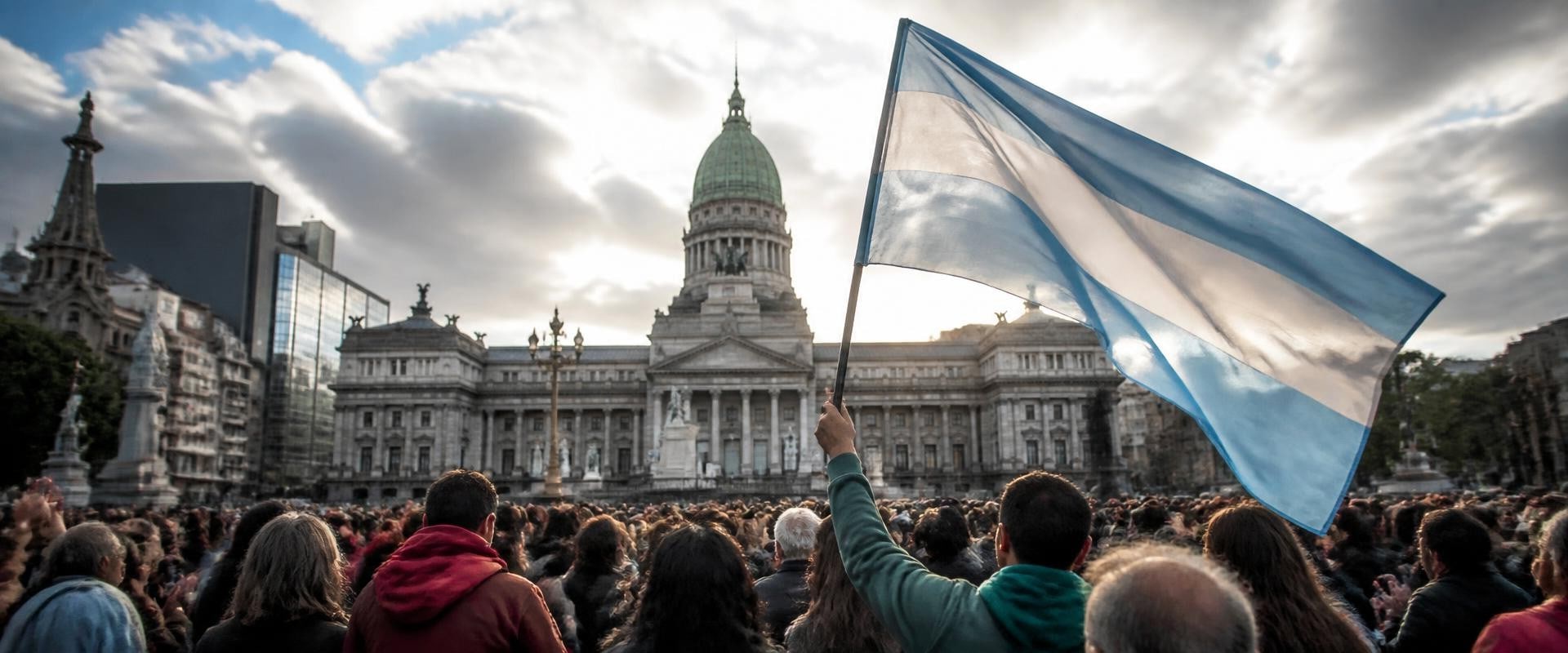
In 2012, the world witnessed a series of significant protests and rallies that highlighted pressing social issues and ignited public discourse across various platforms. Among these pivotal movements was the Moratorium 2012Moratorium 2012, a campaign that emerged in the context of the London Olympics, advocating for the temporary cessation of arrests of sex workers during the event. This civic initiative aimed to bring attention to the injustices faced by marginalized communities, sparking conversations around human rights, public safety, and social policy. The Moratorium 2012 campaign was not merely a reaction to the Olympic festivities; it represented a broader struggle for dignity and recognition in the face of systemic discrimination. As thousands of people gathered in solidarity, their voices echoed a collective demand for change, challenging authorities to reconsider policies that disproportionately affected vulnerable populations.
This article delves into the major protests and rallies of 2012, with a particular focus on the Moratorium 2012 campaign, exploring its historical significance and the impact it had on contemporary discussions surrounding sex work and civic rights. The Moratorium 2012 campaign emerged as a significant response to the unique sociopolitical environment in London leading up to the 2012 Olympic Games. The historical context of this campaign can be traced back to a growing awareness and concern regarding policing practices related to sex work. In the years prior to the Olympics, London was experiencing heightened scrutiny of its law enforcement methods, particularly in relation to marginalized communities, including sex workers. Public sentiment was increasingly vocal about the need for a more humane approach to policing that recognized the complexities surrounding sex work rather than merely enforcing punitive measures. The social climate in London at that time was charged with discussions around human rights, public safety, and the role of law enforcement during high-profile events.
The Olympics represented not just an international sporting occasion, but also a moment where London would be showcased to the world. There was a palpable urgency among activists and advocates who feared that the influx of tourists and media attention would lead to intensified crackdowns on vulnerable populations, particularly sex workers. This backdrop created fertile ground for the Moratorium 2012 campaign, which sought to halt arrests, detention, and deportation of sex workers during this period. The objectives of the Moratorium 2012 campaign were clear and urgent. Activists called for an immediate pause on all policing activities targeting sex workers during the Olympic Games, arguing that such actions would exacerbate the vulnerabilities already faced by these individuals.
The campaign sought not only to protect sex workers from potential arrests but also aimed to bring broader attention to the systemic issues related to sex work and policing practices. It emphasized the need for a compassionate approach that prioritized safety and dignity over criminalization. Responses from authorities were mixed. The Mayor of London and the Metropolitan Police were aware of the campaign's demands but largely adhered to existing policies regarding sex work. There were statements emphasizing public safety and order during the Olympics, which many activists interpreted as a dismissal of their calls for change.
The tension between civic activism and law enforcement highlighted a significant divide in perspectives on how best to manage public safety while respecting individual rights.
The campaign shed light on important issues that are often overlooked in mainstream conversations about public safety and criminal justice. It contributed to a growing recognition of the need for reform in how society addresses sex work, particularly in high-stakes environments like major international events. This campaign fits into a broader timeline of civic activism and protests in 2012, connecting it with other significant movements advocating for social justice across various sectors. The momentum built by Moratorium 2012 resonated with other global protests that year, reflecting a widespread demand for change in how marginalized communities are treated within society. As such, it stands as an important chapter in the ongoing narrative of civic activism in London and beyond.
Outcomes and Significance
The Moratorium 2012 campaign was instrumental in raising awareness about the issues surrounding the policing of sex work, particularly during a high-profile event like the London Olympics.One of the primary achievements of the campaign was its ability to galvanize public support and bring attention to the often-overlooked plight of sex workers. By advocating for a temporary halt on arrests, the campaign highlighted the urgent need for a more compassionate and understanding approach to sex work, which has historically been stigmatized and criminalized. In terms of policy impact, the Moratorium 2012 campaign contributed to ongoing discussions about reforming laws related to sex work in the UK. While immediate legal changes were not fully realized as a direct result of the campaign, it laid crucial groundwork for future advocacy efforts. The visibility generated by the campaign helped shift public perceptions and initiated dialogues among policymakers, law enforcement, and social justice advocates about the necessity of re-evaluating existing frameworks surrounding sex work. Furthermore, the significance of the Moratorium 2012 extends beyond its immediate context; it is now regarded as a pivotal moment in the history of civic activism in the UK.
By mobilizing diverse community stakeholders and fostering a sense of solidarity among sex workers and their allies, the campaign demonstrated the power of grassroots organizing. Its legacy continues to inspire contemporary movements that seek to address social injustices and advocate for marginalized communities.
Responses from Authorities
The Moratorium 2012 campaign, which sought to halt the arrests of sex workers during the London Olympics, prompted a significant reaction from local authorities. In the lead-up to the Olympic Games, there was heightened pressure on law enforcement agencies to ensure a safe and positive environment for both visitors and residents. This context set the stage for authorities to evaluate their approach to policing, particularly regarding marginalized communities such as sex workers. Initially, the response from authorities included a mix of public statements and operational adjustments.The Mayor's office and the Metropolitan Police faced criticism for their methods and policies concerning sex work. In light of the Moratorium 2012 demands, there were discussions about implementing a more compassionate approach, rather than punitive measures. Some officials recognized that criminalizing sex work could exacerbate the vulnerabilities faced by sex workers, especially during a high-profile event like the Olympics. Despite these discussions, concrete policy changes were slow to materialize. The campaign did succeed in raising awareness about the issues surrounding sex work and the need for reform in policing practices.
Local authorities began to consider alternative strategies that emphasized harm reduction over criminalization. However, full implementation of these strategies often lagged due to institutional resistance and prevailing societal attitudes towards sex work. Ultimately, the Moratorium 2012 campaign highlighted the urgent need for a reevaluation of how local authorities engage with sex workers. While some incremental changes occurred in response to public outcry and advocacy, the path toward comprehensive reform remained complex and fraught with challenges.
Key Events and Protests
The Moratorium 2012 campaign was marked by several significant rallies and protests that highlighted the urgent call for a halt to the arrests of sex workers during the London Olympics. One of the most notable events took place on July 27, 2012, coinciding with the opening day of the Olympic Games.Activists gathered outside the offices of the Mayor of London, calling for immediate action and raising awareness about the potential impact of increased policing on vulnerable sex workers. This rally saw participation from various advocacy groups, including sex worker organizations and human rights activists, who united to voice their concerns. Another key protest occurred on August 10, 2012, when demonstrators marched through central London, emphasizing the need for a moratorium on arrests specifically during the high-profile event. Participants carried banners and placards with slogans advocating for the rights of sex workers, drawing attention to the broader implications of policing policies during such a significant international event. The culmination of these efforts was reflected in a rally held on August 24, 2012, which attracted a diverse group of supporters from various sectors of society. This event not only reinforced the message of the Moratorium 2012 campaign but also fostered discussions about the intersection of public safety, civil rights, and the treatment of sex workers in society.
Through these protests, activists were able to shed light on the urgent need for reform in policing practices that disproportionately affect marginalized communities.
Background of the Moratorium 2012 Campaign
The Moratorium 2012 campaign emerged in response to a confluence of social, political, and historical factors that highlighted the urgent need for reform in how sex work was policed during significant events like the London Olympics. As the world turned its eyes to London in 2012, concerns about public safety and the portrayal of the city were at an all-time high. This atmosphere of heightened scrutiny created an environment ripe for civic activism aimed at protecting marginalized communities, particularly sex workers. In the lead-up to the Olympics, there was an increasing fear among advocates that law enforcement agencies would target sex workers more aggressively, using the event as a pretext to conduct mass arrests. The anticipated influx of tourists and media attention was seen as a potential catalyst for heightened policing tactics.Activists recognized that without intervention, many individuals engaged in sex work could face unjust treatment, including arrest and deportation. The Moratorium 2012 campaign thus sought to halt these arrests, advocating for a temporary pause on the criminalization of sex work during the Olympic Games. This call for a moratorium was not only a reaction to immediate threats but also part of a broader dialogue about the rights of sex workers and their place within society. The campaign's urgency was fueled by the desire to highlight ongoing issues of policing, human rights, and social justice, particularly for those often overlooked in discussions about public safety and urban policy. At its core, the Moratorium 2012 campaign was motivated by a commitment to human dignity and justice. Activists aimed to reshape narratives around sex work, pushing back against stigmatization and calling for policies grounded in respect and safety rather than criminalization.
This context set the stage for a significant mobilization of community support, advocacy efforts, and public discourse surrounding these critical issues. The Moratorium 2012 campaign stands as a pivotal moment in the landscape of civic activism, particularly in its approach to the intersection of policing and sex work during significant global events like the Olympics. By advocating for a pause on the arrests of sex workers, the campaign not only highlighted the urgent need for more compassionate policies but also sparked broader conversations about the rights and dignity of sex workers in society. This campaign's significance extends beyond its immediate impact; it has left a lasting legacy that continues to influence ongoing debates regarding sex work rights and social justice. The urgency of the Moratorium 2012 initiative during such a high-profile event underscored the importance of considering marginalized voices in policy discussions. As civic activism evolves, the lessons learned from the Moratorium 2012 will remain relevant, reminding future movements of the power of collective action and advocacy.