In 2012, the world turned its gaze towards London as it prepared to host the Summer Olympics, a time of celebration and international unity. However, beneath this festive atmosphere lay a pressing issue that sparked significant debate: the treatment of sex workers in the city. The Moratorium 2012 campaign emerged as a powerful civic movement advocating for a temporary halt on the arrest and detention of sex workers during the Games. This initiative sought to draw attention to the vulnerabilities faced by these individuals and to challenge the prevailing narratives surrounding their rights and safety. As the campaign unfolded, media coverage played a crucial role in shaping public perception and influencing policy discussions. campaign emerged as a powerful civic movement advocating for a temporary halt on the arrest and detention of sex workers during the Games. This initiative sought to draw attention to the vulnerabilities faced by these individuals and to challenge the prevailing narratives surrounding their rights and safety. As the campaign unfolded, media coverage played a crucial role in shaping public perception and influencing policy discussions.
This article, titled "Media Coverage During the Moratorium: A Comprehensive Exploration," delves into the extensive media landscape surrounding the Moratorium 2012. We will examine how various news outlets reported on the campaign, the narratives they constructed, and the impact of their coverage on public opinion and policy making. By exploring these facets, we aim to provide a thorough understanding of how media representation influenced the events during this pivotal time. In our exploration, we will highlight key articles, editorials, and broadcasts that captured the essence of the Moratorium 2012 movement. We will also discuss the challenges and triumphs faced by advocates as they fought for recognition and justice amid a backdrop of heightened scrutiny. Join us as we uncover the layers of media coverage that not only documented but also shaped the discourse surrounding this important civic campaign. The Moratorium 2012 campaign emerged against the backdrop of the 2012 London Olympics, a time when the city was under intense scrutiny from both national and international media.
The campaign, which called for a halt to the arrests of sex workers during the Games, was initiated by various activist groups advocating for the rights and safety of sex workers. Key stakeholders in this movement included the Mayor of London, the Metropolitan Police, and numerous civic organizations that rallied together to raise awareness about the implications of policing policies during such a high-profile event. In the months leading up to the Olympics, concerns about public safety, urban order, and the potential for increased policing led to a heightened sense of urgency around the issue. The Mayor's office faced mounting pressure from both supporters and detractors of the campaign. Activist groups argued that the arrest of sex workers would not only exacerbate vulnerabilities but also contribute to human rights violations.
These discussions were further fueled by media coverage that began to spotlight the intersections of sex work, policing, and civil liberties. Various media outlets approached the These discussions were further fueled by media coverage that began to spotlight the intersections of sex work, policing, and civil liberties. Various media outlets approached the Moratorium 2012 campaign with differing perspectives. Some newspapers portrayed the initiative as a necessary protective measure for vulnerable populations, emphasizing the humanitarian aspect of halting arrests. Others framed it within a moral debate about sex work, highlighting concerns from residents who feared increased crime and disorder during the Olympics. For instance, reports in local tabloids often sensationalized issues surrounding sex work, while broadsheet publications tended to present more nuanced analyses, focusing on human rights implications and the voices of sex workers themselves. The significance of public reactions cannot be understated; civic activism played a crucial role in shaping both media narratives and public discourse surrounding the campaign.
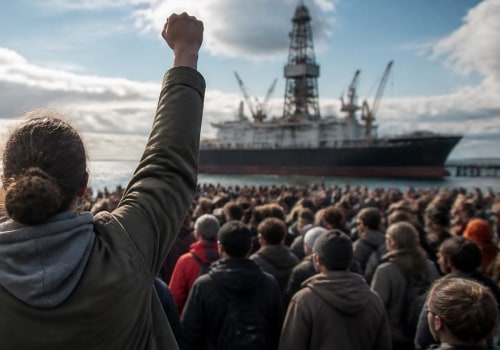
Demonstrations, public forums, and social media campaigns brought attention to the plight of sex workers and galvanized support for the moratorium. Activists utilized these platforms to share personal stories and experiences that highlighted the risks associated with policing during such a major event. The outpouring of public support not only amplified media coverage but also pressured policymakers to consider alternative approaches to law enforcement. The outcomes of the Moratorium 2012 campaign were multifaceted. While it did not result in an outright ban on arrests, it succeeded in opening up discussions about policing practices and prompted some changes in policy at local levels.
For instance, there was an increased focus on harm reduction strategies rather than punitive measures in subsequent discussions about sex work legislation. Media coverage reflected these shifts, with many outlets beginning to adopt a more empathetic tone towards sex workers, recognizing their rights as legitimate subjects for public discourse. However, contrasting viewpoints regarding sex work and policing persisted throughout this period. Proponents of stricter law enforcement maintained that a crackdown on prostitution was essential for maintaining public order during the Games. This perspective often clashed with arguments put forth by activists who highlighted that criminalization only served to push sex work underground, making it more dangerous for those involved.
As debates continued in media spaces, it became increasingly clear that addressing sex work required a comprehensive understanding of underlying socio-economic factors rather than merely punitive approaches. In conclusion, the Moratorium 2012 campaign exemplified how grassroots activism can influence media narratives and policy discussions. Through persistent advocacy and public engagement, activists were able to reshape perceptions around sex work during a pivotal moment in London's history. The campaign not only brought attention to issues facing sex workers but also sparked broader conversations about human rights and policing that continue to resonate today.
Media Representation: Coverage Analysis
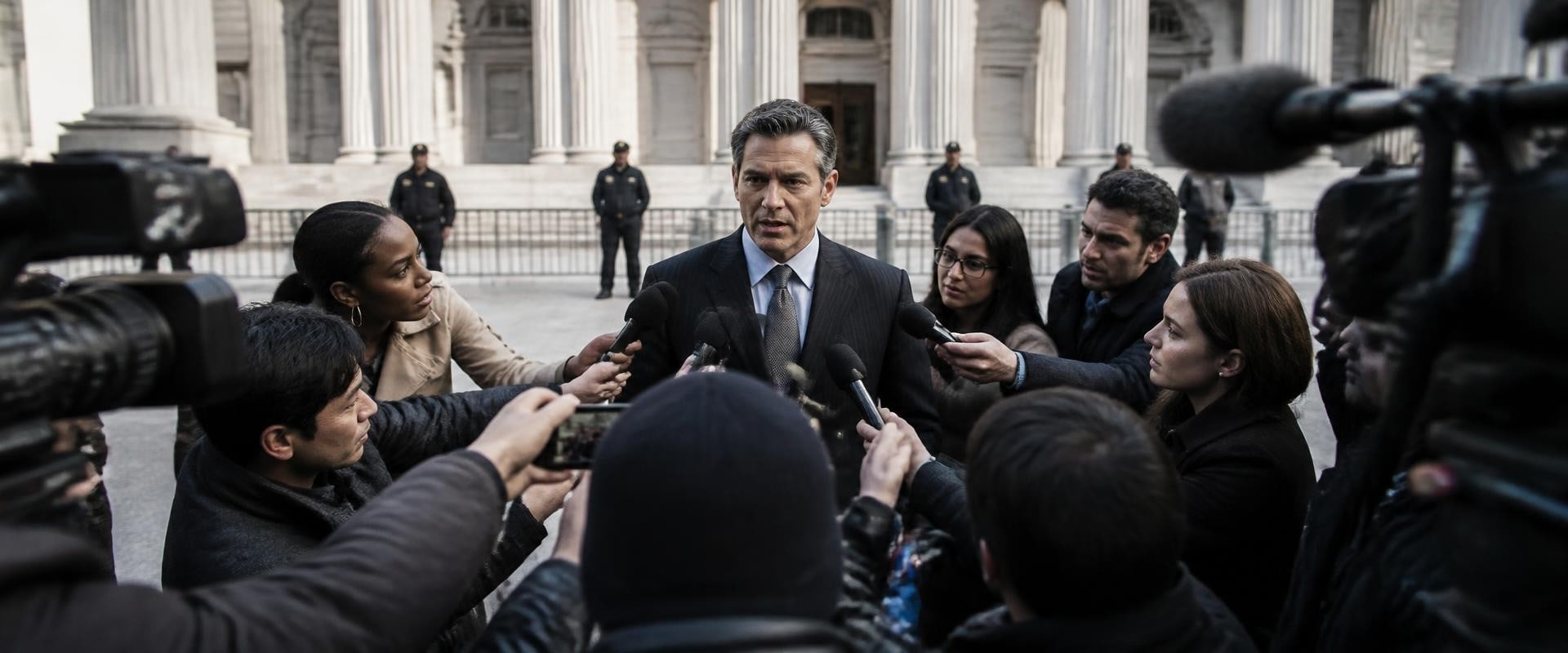
The Moratorium 2012 campaign garnered significant attention from various media outlets, which played a pivotal role in shaping public discourse around the treatment of sex workers during the London Olympics. Coverage ranged from supportive narratives highlighting the campaign's objectives to critical perspectives questioning its implications for public safety and order. Key articles published during this period emphasized the urgency of halting arrests of sex workers, framing the campaign as a necessary intervention amidst heightened policing during the Games.Outlets such as local newspapers and activist blogs provided platforms for advocates to voice their concerns regarding human rights violations and the stigmatization of sex work. Reports often included interviews with campaign leaders and activists, capturing the emotional weight of their message and the stakes involved. On the other hand, some mainstream media coverage adopted a more skeptical tone, focusing on potential risks associated with the moratorium. Articles in prominent publications raised questions about public safety and law enforcement's role during a major international event. This divide in media representation reflects broader societal attitudes towards sex work and policing, influencing public opinion and policy discussions. Public responses to media coverage were varied, with many supporters of the Moratorium 2012 campaign using social media to amplify their message and counter negative narratives.
The dialogue generated by media coverage not only informed the public but also prompted discussions among policymakers about the implications of policing practices on vulnerable populations.
Background of the Moratorium 2012 Campaign
The Moratorium 2012 campaign emerged as a significant response to the unique sociopolitical landscape in London during the lead-up to the 2012 Olympic Games. The historical context surrounding sex work and policing in the city played a crucial role in shaping the motivations behind this civic initiative. In the years leading up to 2012, sex workers in London faced increasing scrutiny and law enforcement actions, often characterized by heightened arrests and aggressive policing strategies, particularly in areas perceived as problematic or undesirable during major public events. The campaign was fundamentally rooted in a growing awareness of the challenges that sex workers encounter, including violence, stigma, and marginalization. Activists and organizations advocating for sex workers' rights recognized that the Olympics presented a unique moment where public attention would be focused on the city, and they aimed to leverage this visibility to advocate for humane treatment and policy reform.The Moratorium 2012 sought to halt the arrest of sex workers during the Games, arguing that such measures would not only protect individuals from harm but also promote a more compassionate approach to policing. In addition, the campaign highlighted the broader implications of policing practices on civic rights and social justice. It called into question the effectiveness of punitive measures and pushed for a discourse that prioritized safety and well-being over criminalization. This historical framework set the stage for discussions about the intersections of law enforcement, public health, and human rights, which resonated strongly within various activist circles and influenced media narratives leading up to the Olympics.
Legacy of the Moratorium: Lessons Learned
The Moratorium 2012 campaign marked a pivotal moment in the discourse surrounding sex work and policing in the UK. By advocating for a temporary halt to the arrests of sex workers during the London Olympics, the campaign not only brought attention to the vulnerabilities faced by sex workers but also initiated broader conversations about public safety, civic rights, and the role of law enforcement.One significant outcome of the campaign was the increased visibility of sex workers' rights within public policy discussions, showcasing how civic activism can influence legislative frameworks. Furthermore, the Moratorium 2012 campaign highlighted the complexities surrounding policing practices during large-scale events. The movement illuminated how policies that prioritize public order can often overlook marginalized communities, prompting a reevaluation of policing strategies that impact sex workers. The lessons learned from this campaign emphasize the importance of inclusive dialogue and policies that consider the rights and safety of all individuals, particularly those in vulnerable positions. In the aftermath of the campaign, discussions around sex work have evolved, with more advocacy for decriminalization and harm reduction approaches taking center stage. The legacy of Moratorium 2012 continues to resonate, as it serves as a reminder of the power of collective action and its potential to reshape societal attitudes toward marginalized groups.
Ultimately, the campaign has left an indelible mark on both public perception and policy formulation regarding sex work, reinforcing the necessity for ongoing dialogue and reform.
Impact on Policy and Public Perception
The media coverage surrounding the Moratorium 2012 campaign played a pivotal role in shaping both policy decisions and public attitudes towards sex work during the London Olympics. As the campaign sought to halt the arrests of sex workers during this high-profile event, the narratives constructed by various media outlets significantly influenced how the issue was perceived by the public and policymakers alike. Initially, the media framing of the campaign highlighted the potential human rights violations associated with the arrest of sex workers, portraying them not merely as offenders but as individuals deserving of protection and understanding. This shift in narrative encouraged a more compassionate view of sex work and its complexities, challenging longstanding stigmas. As news articles, opinion pieces, and televised debates emerged, they often presented the voices of sex workers and activists advocating for their rights, thus bringing visibility to an often marginalized group. Furthermore, media attention on the Moratorium 2012 campaign compelled authorities to reconsider their strategies regarding policing during the Olympics.The pressure created by public discourse influenced policymakers to engage in discussions about harm reduction and public safety that took into account the realities faced by sex workers. Consequently, some officials began to advocate for alternatives to traditional enforcement methods, recognizing that criminalization could exacerbate vulnerabilities rather than mitigate them. This evolving dialogue was reflected in subsequent policy discussions, where a more nuanced understanding of sex work began to emerge. As media coverage persisted throughout the campaign, it became evident that public sentiment was shifting towards a more supportive stance on decriminalization and better protections for sex workers. Ultimately, the role of media in influencing both policy decisions and public attitudes during this critical period cannot be overstated; it served as a catalyst for change in how society approached issues of sex work amidst a global sporting event.
Civic Activism: Voices for Change
The Moratorium 2012 campaign was not just a call to halt the arrest of sex workers during the London Olympics; it was a rallying point for civic activism, bringing together various voices advocating for the rights and dignity of marginalized groups.Prominent civic activists and organizations played crucial roles in this movement, each contributing uniquely to the campaign's objectives. One of the key organizations involved was SWARM (Sex Worker Activism, Resistance, and Mobilization), which brought together sex workers and allies to demand policy changes. They organized protests, created awareness through social media, and engaged in direct dialogue with policymakers to highlight the injustices faced by sex workers. Their efforts were integral in ensuring that the voices of those most affected by policing practices were heard. Another significant player was London’s Feminist Network, which aimed to address the intersectionality of gender, race, and class within discussions about sex work. By framing the conversation around women's rights and safety, they helped shift public perception and emphasized the need for compassionate policy rather than punitive measures.
Their advocacy was crucial in garnering support from broader feminist circles, which further amplified the campaign's reach. Additionally, grassroots movements like Sex Workers’ Outreach Project (SWOP) contributed valuable insights and resources. They provided direct support to sex workers while advocating for their legal rights, ensuring that the campaign was grounded in real-world experiences and needs. Their involvement highlighted the importance of community-led initiatives in driving social change. Through collaborative efforts, these activists and organizations demonstrated that civic activism can effectively challenge systemic injustices. The Moratorium 2012 campaign not only sought to stop arrests but also aimed to reshape public discourse around sex work, creating a legacy of advocacy that continues to inspire movements today. In conclusion, the Moratorium 2012 campaign serves as a pivotal example of how media coverage can influence public discourse and policy surrounding critical social issues.
Our exploration revealed that the media played an essential role in amplifying the voices of those advocating for the rights of sex workers during the London Olympics, highlighting the campaign's objectives and the broader implications of policing practices. The extensive coverage not only informed the public but also sparked debates on civic activism, revealing the interconnectedness of media representation and social justice movements. Furthermore, the legacy of the Moratorium 2012 campaign underscores vital lessons about the power of civic engagement and the necessity for inclusive dialogues in policymaking. As we reflect on this historical moment, it becomes clear that ongoing discussions about sex work, policing, and activism remain relevant today, inviting further exploration and advocacy for change.