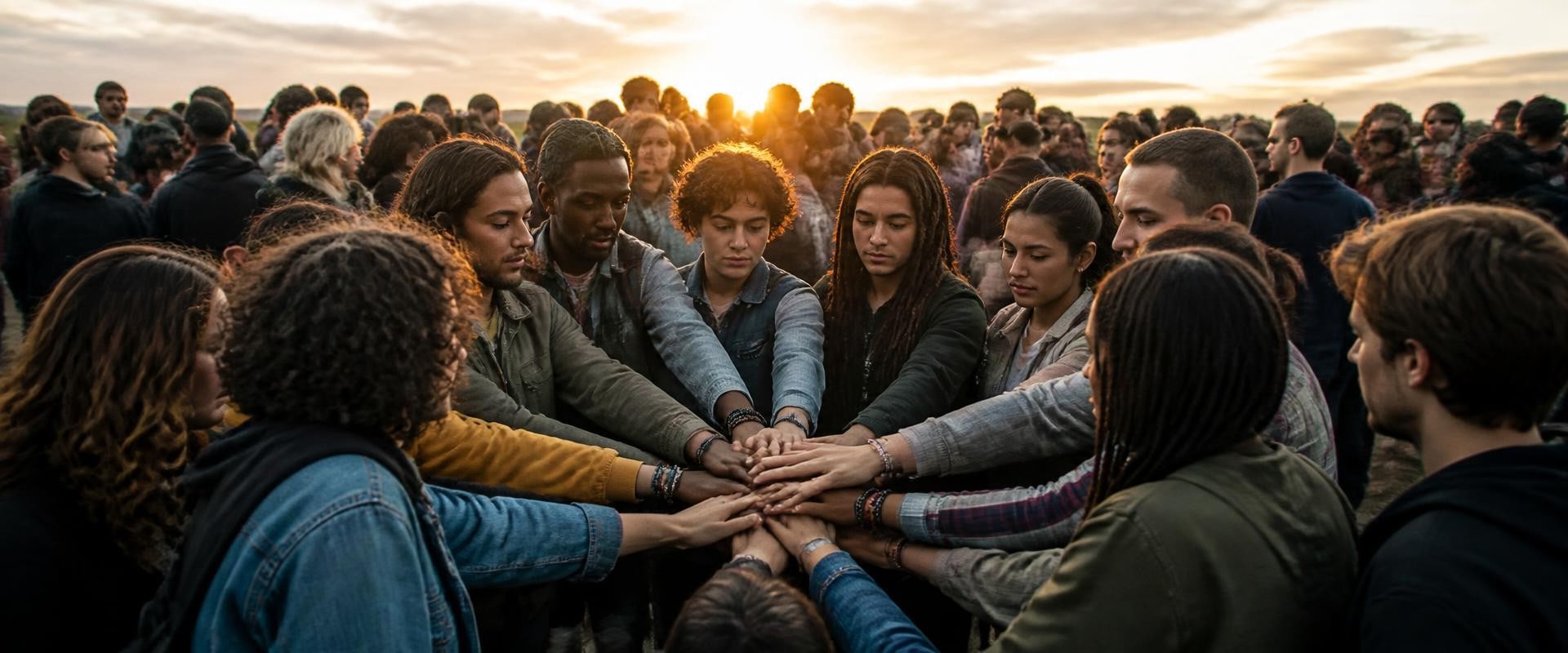
The Moratorium 2012 campaign stands as a pivotal moment in the landscape of civic activism, highlighting the profound impact of collaborative efforts between activists and communities. Launched during the high-profile period of the London Olympics, this campaign called for a much-needed pause on the arrests of sex workers, shining a spotlight on the urgent need for compassion and understanding in policy-making. As the world focused on celebration and athleticism, activists united to address the often-overlooked vulnerabilities faced by marginalized groups, particularly sex workers who were at risk of increased policing during this international event. At the heart of the Moratorium 2012 initiative was a diverse coalition of voices that came together with a shared vision: to advocate for human rights and to challenge the systemic injustices that often accompany major public events. This article delves into the stories and experiences that emerged from this campaign, showcasing how collaborative activism can bridge divides and foster a sense of community among those who might otherwise feel isolated.
By examining the strategies employed and the partnerships formed, we can gain valuable insights into the power of collective action and its lasting effects on both individuals and society at large. The Moratorium 2012 campaign emerged as a significant response to the intersection of policing, social attitudes toward sex work, and the unique context of the London Olympics. Leading up to the campaign, there was a complex historical backdrop marked by shifting perspectives on sex work, often characterized by stigma and criminalization. The prevailing social attitudes often painted sex workers as victims in need of rescue or as criminals deserving punishment, which contributed to an environment where punitive measures were prioritized over harm reduction or support. Previous activism efforts had been fragmented, with various groups advocating for sex workers' rights but often lacking the unity or visibility needed to enact substantial change. In the lead-up to the Olympics, there was heightened concern about the potential for increased policing and arrests of sex workers in London, as authorities sought to project an image of safety and order during the high-profile international event. campaign emerged as a significant response to the intersection of policing, social attitudes toward sex work, and the unique context of the London Olympics. Leading up to the campaign, there was a complex historical backdrop marked by shifting perspectives on sex work, often characterized by stigma and criminalization. The prevailing social attitudes often painted sex workers as victims in need of rescue or as criminals deserving punishment, which contributed to an environment where punitive measures were prioritized over harm reduction or support. Previous activism efforts had been fragmented, with various groups advocating for sex workers' rights but often lacking the unity or visibility needed to enact substantial change. In the lead-up to the Olympics, there was heightened concern about the potential for increased policing and arrests of sex workers in London, as authorities sought to project an image of safety and order during the high-profile international event.
This anxiety galvanized a coalition of community organizations and activists who recognized the urgent need for a unified front against these anticipated crackdowns. Activists from various backgrounds—ranging from sex worker rights groups to broader civil liberties organizations—came together under the banner of the Moratorium 2012 campaign, advocating for a moratorium on arrests, detention, and deportation of sex workers during the Olympic Games. The campaign employed a variety of strategies to amplify their message and mobilize support. Grassroots organizing played a pivotal role, with community meetings and outreach efforts designed to raise awareness about the impact of police actions on marginalized communities. Activists utilized social media platforms to spread their message beyond traditional channels, creating a viral campaign that garnered attention from both local and international media.
Key events included public demonstrations and press conferences that highlighted personal narratives from those directly affected by policing practices. These events served not only to inform the public but also to humanize the issue, showcasing the realities faced by sex workers amid a climate of fear and uncertainty. Despite their efforts, the Moratorium 2012 campaign faced significant challenges. Resistance from law enforcement agencies and some political figures underscored the deeply entrenched biases against sex work. Critics argued that a moratorium could jeopardize public safety or send a message that illegal activities would be tolerated during the Olympics.
This counter-narrative posed an ongoing challenge for activists who sought to reframe the conversation around sex work as one centered on human rights and dignity rather than criminality. The outcomes of the Moratorium 2012 campaign were multifaceted. While an outright policy change was not achieved, the campaign succeeded in raising public awareness about the issues faced by sex workers and brought attention to the need for more compassionate approaches to policing and social services. The coalition's efforts led to increased dialogue around sex worker rights within political spheres and among community members, fostering a climate where these issues could be discussed more openly. Individual stories from activists and community members played an essential role in illustrating the motivations behind their participation in the campaign. Many shared personal accounts of harassment by law enforcement or experiences that highlighted systemic inequalities faced by sex workers.
These narratives provided powerful testimony to the urgent need for change, emphasizing that behind statistics and policies are real lives impacted by societal attitudes and legal frameworks. In addressing counterarguments regarding the effectiveness of the campaign, it is important to acknowledge that while some critics viewed it as insufficient or misguided, many within the movement believed that any step toward raising awareness was valuable. They argued that collaborative activism creates a foundation for ongoing dialogue and future advocacy efforts. In this light, Moratorium 2012 can be seen not just as a singular event but as part of a larger continuum of activism aimed at transforming societal perceptions and policies concerning sex work.
Outcomes of the Campaign
The Moratorium 2012 campaign had significant implications for both public perception and policy surrounding sex work, particularly in the context of the London Olympics. As activists and community members united to call for a halt to the arrests of sex workers, they effectively shed light on the broader issues of policing and human rights.This collaborative activism not only raised awareness about the challenges faced by sex workers but also fostered a dialogue that questioned the efficacy and morality of existing policies. In the wake of the campaign, there was a noticeable shift in public perception. Many individuals who may have previously held stigmatizing views began to recognize the complexities surrounding sex work and the need for a more compassionate approach. This change was fueled by grassroots storytelling and community engagement, which highlighted personal experiences and the human impact of policing practices. On the policy front, while immediate legislative changes may not have been realized, the Moratorium 2012 campaign laid critical groundwork for future advocacy efforts. It prompted discussions among policymakers about the necessity of reforming approaches to sex work.
The campaign's call for a moratorium catalyzed further research and debate on how best to protect the rights and safety of sex workers, leading to a more informed public discourse. Ultimately, the outcomes of the Moratorium 2012 campaign exemplify how collaborative efforts between activists and communities can instigate meaningful conversations and pave the way for potential policy changes in the future. By prioritizing shared narratives and building alliances, this campaign not only influenced perceptions but also highlighted the power of collective action in confronting systemic issues.
Formation of Collaborative Networks
The Moratorium 2012 campaign was a pivotal moment for collaboration among various activist groups and community members, all united by a common goal: to halt the arrests of sex workers during the London Olympics. This period saw a surge in policing activities that disproportionately targeted vulnerable populations, particularly those involved in sex work. Recognizing the urgent need for action, different organizations and individuals came together to form a robust network of support that leveraged their collective strengths. At the heart of this collaboration were grassroots organizations that had long been advocating for the rights of sex workers.These groups worked alongside broader human rights organizations, creating a diverse coalition that amplified their voices and increased their visibility in the media. This alliance was not merely strategic; it fostered a sense of solidarity among activists and community members, who shared personal stories and experiences that underscored the necessity of the campaign. Moreover, the involvement of local communities played a crucial role in shaping the direction of the Moratorium 2012 campaign. Community members brought invaluable insights into the realities faced by sex workers, helping to humanize the issues at stake. Through workshops, forums, and collaborative planning sessions, activists and community representatives exchanged knowledge and resources, enhancing their capacity to advocate effectively for policy changes. This cooperative approach also facilitated a more inclusive dialogue around sex work, allowing marginalized voices to take center stage.
By prioritizing collaboration over competition, the Moratorium 2012 campaign not only sought to protect individuals during the Olympics but also aimed to challenge and change societal perceptions about sex work and its regulation.
Historical Context of Policing and Sex Work
Prior to the London Olympics, the landscape of sex work in the UK was heavily influenced by a complex interplay of social dynamics and legal frameworks. The Moratorium 2012 campaign emerged as a response to these conditions, aiming to address the pressing issues faced by sex workers during a time of heightened scrutiny from law enforcement. The legal framework surrounding sex work in the UK has been characterized by ambiguity and contradictions. While selling sex itself is legal, many associated activities—such as operating a brothel or soliciting in public—are criminalized. This has created a precarious environment for those engaged in sex work, often leaving them vulnerable to police action and exploitation.In this context, the lead-up to the London Olympics heightened these vulnerabilities, as authorities sought to present a sanitized version of the city to visitors. Socially, sex workers faced stigma and discrimination, which compounded their marginalization. The perception of sex work was often tied to broader discussions about morality, safety, and public order. Activists recognized that in order to advocate effectively for the rights and safety of sex workers, it was essential to challenge these narratives and shift public perception. The Moratorium 2012 campaign specifically targeted the increased police presence expected during the Olympics, predicting a rise in arrests that would disproportionately affect vulnerable populations within the sex work community. By seeking a moratorium on arrests, the campaign aimed not just to protect individuals from legal repercussions but also to highlight the necessity of addressing the underlying issues faced by sex workers. In summary, understanding the historical context of policing and sex work prior to the London Olympics is critical for grasping the significance of collaborative efforts between activists and communities as they navigated these complex social and legal challenges during the Moratorium 2012 campaign.
Strategies and Tactics Used
During the Moratorium 2012 campaign, activists employed a range of innovative strategies and tactics to effectively engage with policymakers and raise public awareness.One of the primary methods was the organization of community forums and public demonstrations, which served as platforms for sex workers and their allies to voice their concerns about policing practices during the London Olympics. These events not only highlighted the need for a moratorium on arrests but also fostered solidarity among various stakeholders, including community members, local organizations, and human rights advocates. Additionally, activists utilized social media extensively to amplify their message and reach a broader audience. By sharing personal stories and testimonials from those directly affected by policing measures, they humanized the issue and garnered public empathy. Hashtags related to the Moratorium 2012 campaign trended on platforms like Twitter and Facebook, facilitating discussions around the rights of sex workers and challenging prevailing stereotypes. Engagement with policymakers was another critical aspect of their strategy.
Activists conducted targeted lobbying efforts, meeting with city officials and representatives from the Metropolitan Police to advocate for policy changes. They presented research and case studies that demonstrated the negative impact of arrests on vulnerable populations, thus reinforcing their argument for a temporary halt on such actions during the Olympics. Furthermore, coalition-building played a vital role in the campaign’s success. By forming alliances with other advocacy groups focused on human rights, social justice, and public health, activists were able to create a united front that strengthened their demands. This collaborative effort not only increased their visibility but also diversified the voices contributing to the conversation around sex work and policing. In summary, through community engagement, strategic use of social media, direct lobbying efforts, and coalition-building, the activists involved in Moratorium 2012 effectively raised awareness about the urgent need for policy reform and contributed to a more nuanced understanding of the complexities surrounding sex work during a high-profile international event.
Voices from the Community
As we delve into the impactful narratives surrounding the Moratorium 2012 campaign, it becomes evident that the voices of those directly involved are crucial in understanding its significance.Activists from diverse backgrounds shared their personal motivations for joining the campaign, highlighting a common thread of solidarity and urgency among communities affected by policing practices. One activist recalled the palpable tension in the air as the London Olympics approached, with a growing fear that increased police presence would lead to heightened arrests and further marginalization of sex workers. Another participant emphasized their commitment to advocacy, stating that their involvement in the Moratorium 2012 initiative was fueled by a desire to create a safer environment for vulnerable individuals. They spoke passionately about witnessing firsthand the challenges faced by sex workers and felt an ethical obligation to stand up against unjust practices. Their experience of collaborating with others in the community fostered a sense of empowerment, as they worked together to amplify their voices and demand change. Testimonies from community members also revealed how the campaign brought together unlikely allies.
One activist noted how conversations between seasoned organizers and newer activists sparked innovative strategies for outreach and engagement. This collaboration not only strengthened the campaign’s message but also cultivated a sense of belonging among participants, showing that collective action can transcend individual experiences and lead to broader societal change. Through these shared stories, it becomes clear that the Moratorium 2012 campaign was not just about halting arrests; it was about fostering a movement rooted in community solidarity, resilience, and the unwavering fight for justice. These voices remind us of the power inherent in collaborative activism and the essential role it plays in advocating for marginalized groups. In examining the impact of collaborative activism as showcased by the Moratorium 2012 campaign, it becomes evident that the synergy between activists and communities can lead to significant changes in public policy and societal attitudes. The campaign not only highlighted the pressing issues surrounding policing and sex work during a high-profile event like the London Olympics but also served as a model for how grassroots efforts can effectively mobilize support for marginalized groups. Through this campaign, we learn that successful civic activism hinges on building strong, inclusive networks that empower community voices.
By fostering collaboration, activists can amplify their impact and ensure that the needs of those they represent are addressed. The Moratorium 2012 campaign stands as a testament to the power of unity in advocating for justice and equity. Looking ahead, future civic activism efforts can draw valuable lessons from the strategies employed during Moratorium 2012. Prioritizing collaboration, understanding community dynamics, and utilizing a diverse array of tactics are essential for addressing the complex challenges faced by marginalized communities. Ultimately, this case underscores the importance of ongoing dialogue between activists and the communities they serve, paving the way for more effective and compassionate responses to social issues.