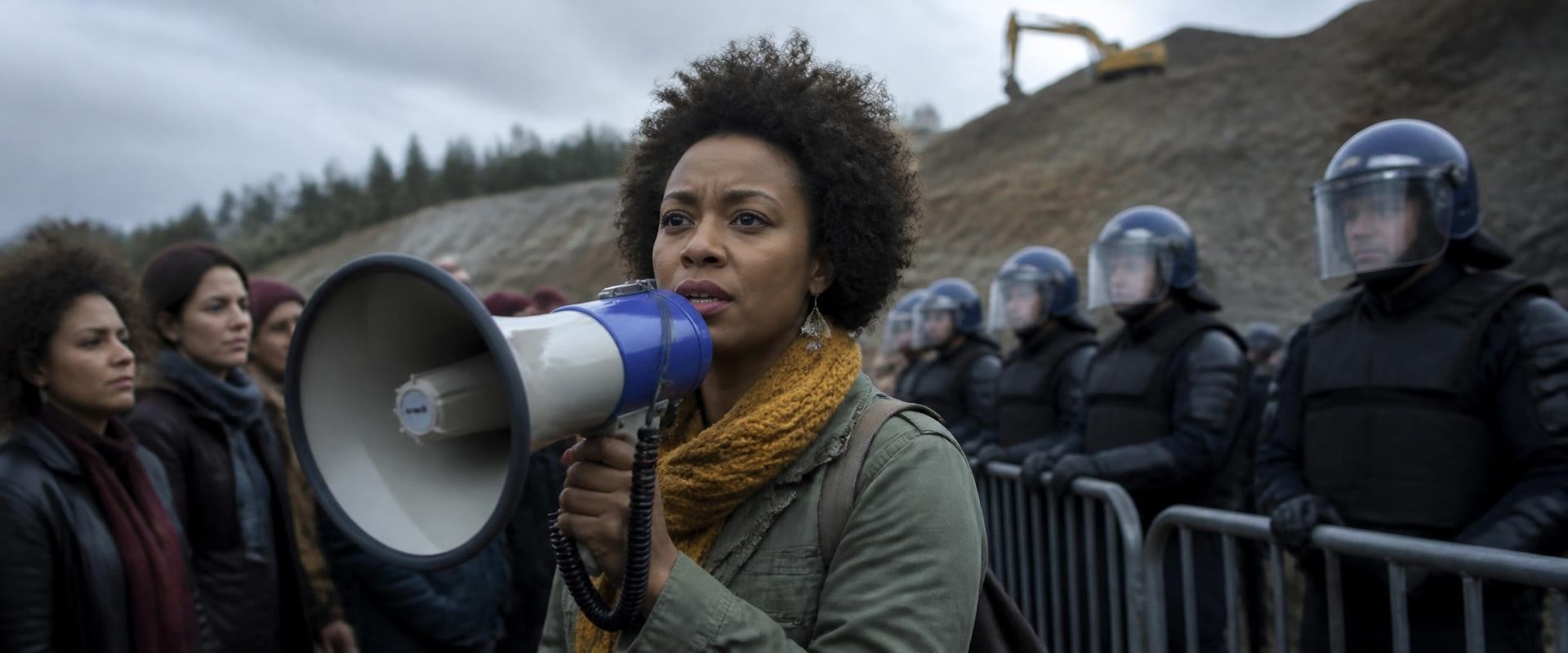
The Moratorium 2012 campaign represented a pivotal moment in the struggle for the rights and dignity of sex workers during a time when their voices were often marginalized. Launched amidst the global spotlight of the London Olympics, this civic campaign sought to halt the arrest and deportation of sex workers, advocating for a more humane approach to law enforcement during a high-profile event. Activists rallied together, fueled by a shared commitment to social justice and a belief in the necessity of protecting vulnerable populations in the face of increased policing and scrutiny. However, the journey was far from easy.
The road to raising awareness and garnering support was fraught with challenges that activists faced at every turn. From navigating bureaucratic hurdles to combating societal stigma and misinformation, these individuals demonstrated immense resilience in their pursuit of change. They were not merely fighting for a temporary pause on arrests; they were advocating for recognition, respect, and the basic human rights of those often overlooked in public discourse. This article delves into the various challenges faced by activists involved in the Moratorium 2012 campaign.
By highlighting their personal stories and experiences, we aim to shed light on the complexities of activism within the context of civic engagement, particularly when addressing issues that intersect with law enforcement, social policy, and human rights. The narratives shared here serve as powerful reminders of the collective strength found in solidarity and the ongoing struggle for justice that continues beyond any single campaign. The Moratorium 2012 campaign emerged as a pivotal initiative aimed at halting the arrest of sex workers during the London Olympics. This period was marked by heightened policing and public scrutiny of sex work, presenting a unique landscape for activists advocating for the rights and safety of marginalized communities. However, the journey of these activists was fraught with numerous challenges that significantly impacted their efforts to mobilize support and drive policy changes. One of the primary challenges faced by activists was the legal barriers surrounding sex work. campaign emerged as a pivotal initiative aimed at halting the arrest of sex workers during the London Olympics. This period was marked by heightened policing and public scrutiny of sex work, presenting a unique landscape for activists advocating for the rights and safety of marginalized communities. However, the journey of these activists was fraught with numerous challenges that significantly impacted their efforts to mobilize support and drive policy changes. One of the primary challenges faced by activists was the legal barriers surrounding sex work.
The existing laws criminalized various aspects of sex work, which created an environment where sex workers were often reluctant to speak out or seek help for fear of arrest and prosecution. This legal framework not only hindered advocacy efforts but also perpetuated a cycle of stigma that marginalized voices within the movement. Activists had to navigate this complex legal landscape while simultaneously pushing for reforms that would provide protections for sex workers. Societal stigma surrounding sex work further complicated the campaign. Many activists encountered public resistance rooted in deep-seated beliefs about morality and the nature of sex work.
This stigma often manifested in negative media portrayals and public attitudes that dismissed the legitimacy of the activists' claims. As a result, gaining public support became an uphill battle, requiring activists to employ strategic communication and outreach efforts to reshape narratives around sex work and highlight the human rights issues at stake. Conflicts with law enforcement agencies added another layer of difficulty for those involved in the Moratorium 2012 campaign. Police practices during this time often prioritized enforcement over community safety, leading to arrests that undermined the very goals activists sought to achieve. Activists found themselves in a contentious relationship with law enforcement, as they demanded accountability and reform while also facing pushback from authorities resistant to change.
This friction not only hampered their ability to organize but also created an atmosphere of fear among sex workers who were concerned about engaging with activist efforts. Despite these challenges, activists employed various strategies to overcome obstacles and advocate effectively for policy changes. For instance, grassroots organizing became crucial in building a coalition of support among different stakeholders, including sex workers themselves, allied organizations, and sympathetic individuals within the community. By fostering solidarity within the activist community, they were able to amplify their voices and present a united front against oppressive practices. Specific incidents during the campaign illustrate how collaboration with other organizations enhanced their efforts. For example, partnerships with human rights groups and local community organizations helped expand outreach and provide resources for those affected by policing practices.
These alliances not only strengthened their advocacy but also created safe spaces for dialogue and education around issues affecting sex workers. Through these collaborative efforts, activists were able to challenge prevailing narratives and garner broader support for their cause. However, the campaign did not come without its critics. Some opposed the approach taken by Moratorium 2012, arguing that calling for a moratorium on arrests might inadvertently legitimize sex work in ways they found unacceptable. Critics expressed concerns that such measures could undermine broader efforts aimed at eradicating exploitation within the industry.
Activists responded to these criticisms by emphasizing the need for harm reduction and the importance of prioritizing safety and dignity for all individuals involved in sex work. In summary, the Moratorium 2012 campaign faced significant challenges stemming from legal barriers, societal stigma, and conflicts with law enforcement agencies. These obstacles shaped the strategies employed by activists as they sought to mobilize support and advocate for policy changes. Through resilience, solidarity, and collaboration with allied organizations, activists not only confronted these challenges but also laid the groundwork for ongoing discussions about the rights of sex workers and the need for reform.
Legal and Institutional Barriers
The Moratorium 2012 campaign faced a multitude of challenges, particularly in navigating the complex legal frameworks and institutional policies that governed the landscape of activism at the time. As activists sought to halt the arrests of sex workers during the London Olympics, they quickly encountered significant legal barriers that hindered their efforts.The existing laws surrounding sex work in the UK were steeped in stigma and criminalization, making it difficult for activists to advocate for the rights and safety of those they aimed to protect. One of the major hurdles was the lack of legal recognition for sex workers as individuals deserving of rights and protections. Instead, they were often viewed through a lens of criminality, which made it challenging for activists to frame their arguments in a way that would resonate with policymakers and the public alike. This perception was further compounded by institutional policies that prioritized law enforcement over harm reduction, leading to a climate where arrests were not only common but also expected during high-profile events like the Olympics. Moreover, the institutional responses to sex work were largely shaped by a combination of political pressures and societal attitudes that favored punitive measures over supportive ones. Activists found themselves up against not just outdated laws but also a system that was resistant to change.
Efforts to engage with local authorities were often met with skepticism or outright hostility, further isolating the movement from potential allies within the government and law enforcement agencies. The Moratorium 2012 campaign illustrated how deeply entrenched legal and institutional barriers could stifle activism. Despite the passionate advocacy from key figures within the movement, these hurdles proved to be formidable obstacles, requiring activists to develop innovative strategies to navigate an unyielding system.
Reflections on Outcomes and Future Directions
The Moratorium 2012 campaign represented a pivotal moment in the intersection of activism, public policy, and the rights of sex workers. One of its significant achievements was raising awareness about the disproportionate impact of policing practices on marginalized communities, particularly during high-profile events like the London Olympics. By advocating for a pause on arrests, the campaign highlighted the urgent need for a more humane approach to sex work that prioritizes safety and dignity over criminalization. One of the key lessons from the Moratorium 2012 campaign is the importance of collaboration among various stakeholders, including activists, community organizations, and policymakers.The campaign illustrated how bringing together diverse voices can amplify the call for change and create a more comprehensive understanding of complex issues like sex work and public safety. Activists learned that when they unite their efforts, they can significantly influence public perception and policy debates. Additionally, the Moratorium 2012 campaign underscored the value of strategic communication in activism. By effectively using media and public engagement tactics, activists were able to shed light on the realities faced by sex workers, countering prevalent stereotypes and fostering empathy within the broader public. This approach not only mobilized support but also encouraged dialogue around critical issues that are often stigmatized. Looking towards the future, activists can draw inspiration from the Moratorium 2012 experience by continuing to advocate for policies that protect vulnerable populations.
It is crucial to maintain momentum by building on the foundations laid during this campaign, ensuring that the voices of those directly affected remain at the forefront of policy discussions. The lessons learned from Moratorium 2012 can guide future movements as they seek to challenge systemic injustices and promote equity for all.
Building Alliances: The Power of Solidarity
During the Moratorium 2012 campaign, the necessity of building alliances became evident as activists recognized that their efforts could be significantly bolstered through solidarity with other civic organizations. By forming partnerships with groups that shared a common goal of advocating for the rights and safety of marginalized communities, activists were able to amplify their voice and create a more formidable front against policing practices that disproportionately targeted sex workers. These alliances proved essential in enhancing visibility and support for the campaign. Organizations focusing on human rights, social justice, and public health united to challenge the prevailing narratives surrounding sex work, which were often steeped in stigma and misunderstanding.This collaboration allowed activists to address not only the immediate need for a moratorium on arrests during the Olympics but also to tackle broader issues related to the criminalization of sex work. The collective strength of these alliances fostered a sense of community among various stakeholders, each bringing unique perspectives and resources to the table. For example, public health advocates emphasized the importance of safety and access to healthcare for sex workers, while human rights organizations highlighted the implications of criminalization on individuals' dignity and freedom. This multi-faceted approach not only enriched the Moratorium 2012 campaign's narrative but also attracted a wider audience who may not have been previously engaged in discussions about sex work. In essence, the power of solidarity was pivotal in shaping a comprehensive strategy that resonated with diverse segments of society. By working together, these organizations effectively challenged existing prejudices and created a platform for more inclusive dialogue around sex work, ultimately strengthening their campaign's impact and visibility.
Conflict with Law Enforcement
The Moratorium 2012 campaign, aimed at halting the arrest of sex workers during the London Olympics, was not without its challenges, particularly in terms of interactions with law enforcement.As activists rallied for a pause on the criminalization of sex work, they found themselves at odds with police practices that were deeply ingrained in the societal approach to sex work. This led to several specific instances of tension that highlighted the broader conflict between activist goals and law enforcement objectives. One notable incident occurred during a demonstration organized by the Moratorium 2012 campaign, where protesters gathered outside a police station to voice their demands. The atmosphere was charged, as activists sought to bring attention to the disproportionate targeting of sex workers by law enforcement, especially in the context of the upcoming Olympics. However, police presence was heavy, and tensions escalated when officers attempted to disperse the crowd, citing public safety concerns.
Activists argued that this response was not only excessive but also indicative of a broader pattern of criminalization that marginalized their voices. Furthermore, activists reported instances where police were confrontational during outreach efforts aimed at connecting with sex workers. Many felt that law enforcement's approach was not one of support or protection but rather intimidation. For example, during street outreach events intended to provide resources and information about the campaign, police would often patrol the area closely, which discouraged participation from those they sought to help. This created a climate of fear that undermined the campaign's goals. Additionally, there were documented cases where activists faced arrests themselves while advocating for the rights of sex workers.
This only fueled the narrative that law enforcement was more invested in maintaining control than in addressing the concerns raised by the Moratorium 2012 campaign. Such actions served to galvanize further support for the movement, as they illustrated the very issues activists were fighting against: systemic oppression and marginalization. In summary, the conflict between activists and law enforcement during the Moratorium 2012 campaign highlighted significant challenges within the activism landscape of that time. These tensions not only underscored the complexities surrounding policing practices but also reinforced the urgency of advocating for the rights and dignity of sex workers amid an environment fraught with hostility.
Societal Stigma and Public Perception
The Moratorium 2012 campaign emerged during a pivotal moment in the discourse surrounding sex work, where societal stigma played a significant role in shaping both activist strategies and public engagement. Activists faced the daunting challenge of confronting deeply ingrained societal attitudes that often painted sex workers as victims or criminals, rather than recognizing their autonomy and rights.This stigmatization not only affected how the public viewed sex work but also influenced how activists positioned their arguments to garner support. Activists in the Moratorium 2012 campaign recognized that to change public perception, they needed to address the prevailing narratives that framed sex workers negatively. They employed strategies that aimed to humanize those involved in sex work, emphasizing their stories, struggles, and the realities of their lives. By sharing personal testimonials and highlighting the injustices faced by sex workers, activists sought to dismantle stereotypes and foster empathy among the public. This approach was crucial in an environment where media portrayal often sensationalized issues related to sex work, further entrenching societal stigma. The intersection of policing practices during this time, particularly with the heightened visibility of the London Olympics, created a unique context for activism.
The push for a moratorium on arrests was not just about stopping police action; it was about challenging the narrative that justified such actions based on stigma and fear. By bringing attention to the experiences of sex workers and advocating for their rights, activists aimed to reframe the conversation around sex work from one of criminality to one of human rights. Ultimately, societal attitudes toward sex work were a double-edged sword for activists. While stigma presented significant hurdles to public engagement, it also galvanized activists to develop innovative strategies that highlighted the need for reform and justice. The Moratorium 2012 campaign exemplified how addressing public perception can be a powerful tool in activism, demonstrating that changing hearts and minds is often as crucial as changing policies. In conclusion, the Moratorium 2012 campaign illuminated the multifaceted challenges faced by activists striving for change in the realm of sex work and policing.
Activists contended with significant legal and institutional barriers, grappling with laws that not only criminalized their work but also perpetuated societal stigma. The public perception of sex work, often marred by misconceptions and bias, further complicated their efforts. Additionally, conflicts with law enforcement hindered progress, as police practices often undermined the activists' calls for justice and reform. Building alliances proved vital, showcasing the power of solidarity among diverse groups advocating for the rights of sex workers. Despite the daunting obstacles, reflections on the campaign's outcomes reveal both triumphs and lessons learned that continue to resonate today. The significance of these challenges extends beyond the context of the Moratorium 2012; they serve as a critical lens through which to examine contemporary activism related to sex work and policing.
As we consider the ongoing struggles faced by activists today, it is essential to recognize how these historical barriers influence current movements and advocate for a more equitable future.